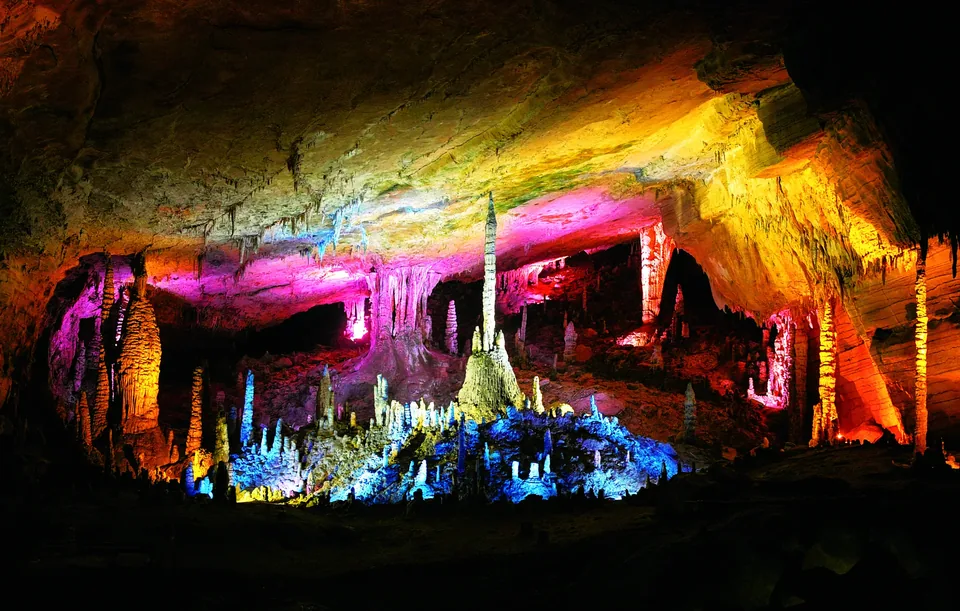
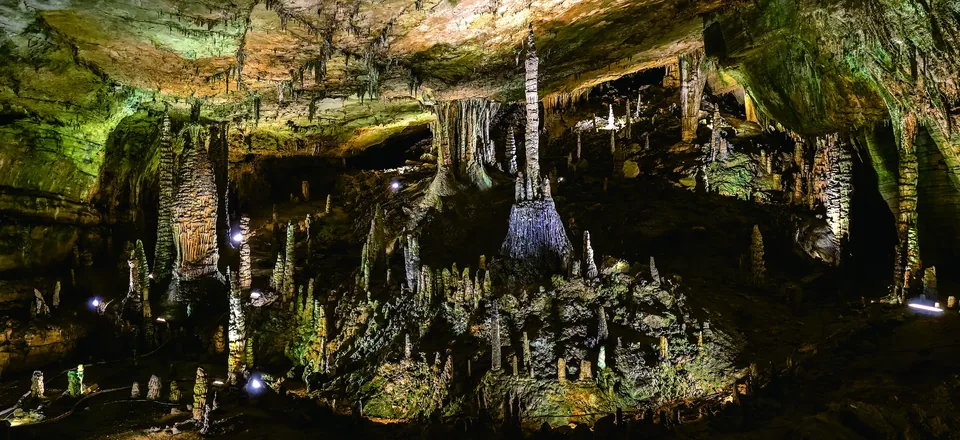
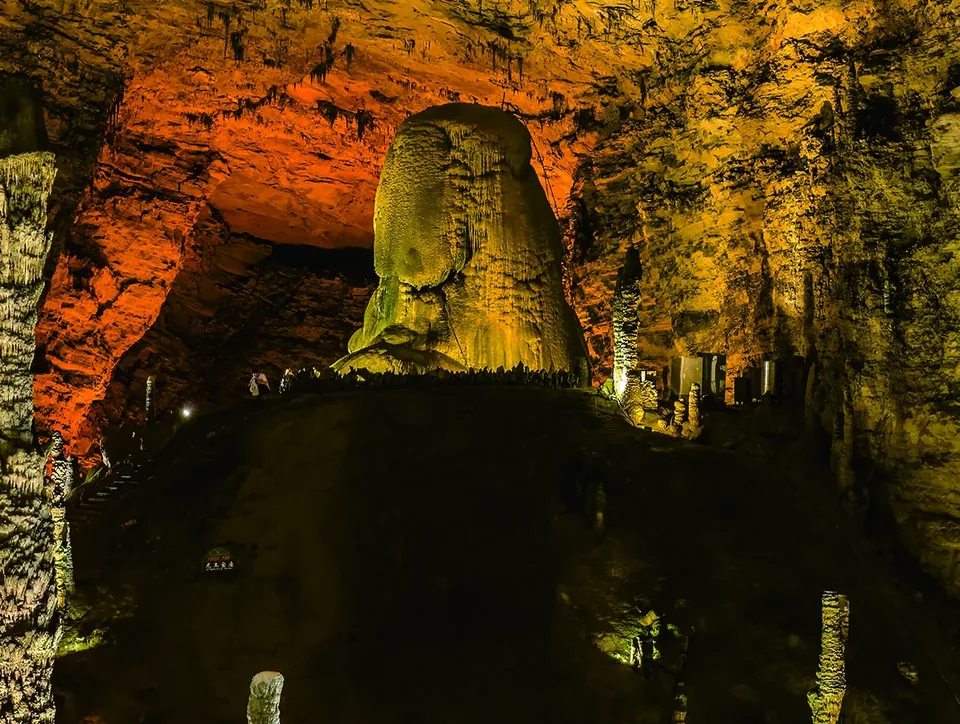
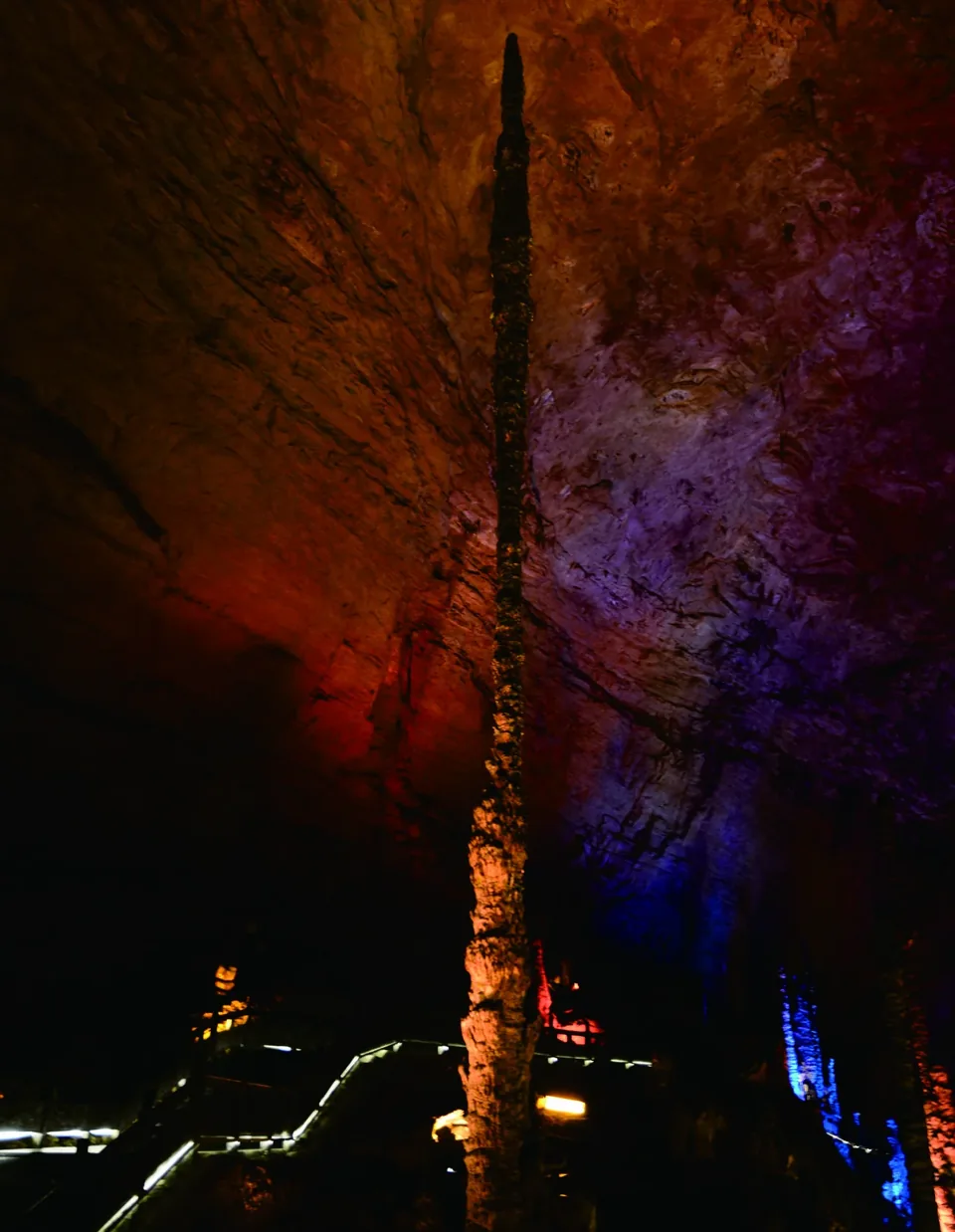
The Sea-stabilising Rod stands in the uppermost Dragon Palace Hall. This stalagmite is thicker at both ends and slender in the middle, and is regarded as Huanglong Cave’s signature treasure. It is about 19.2 metres tall and approximately 0.6 metres in diameter, giving a diameter-to-height ratio of roughly 3%. Its shape and unusually high height-to-diameter ratio make it striking. Its surface has a crystalline sheen, and it stands on a slope of collapsed rock like the legendary Golden Cudgel reaching toward the ceiling. Its textured surface suggests the marks of time, with a faint blue sheen under dim light. Looking up, the rhythmic sound of dripping water seems like the whispers of passing time. This remarkable formation, shaped by water drop by drop, is a natural work of art hidden deep within the cave.
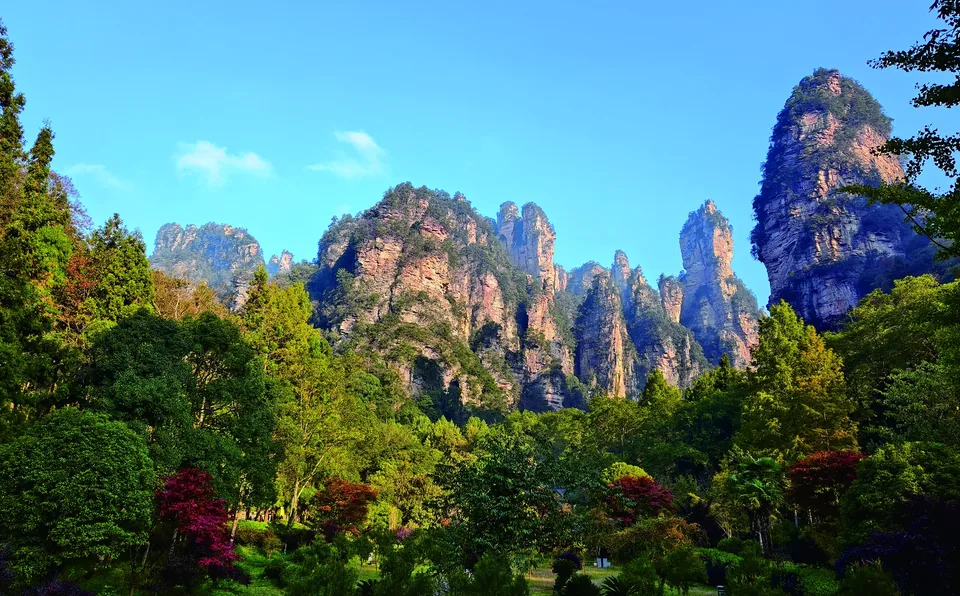
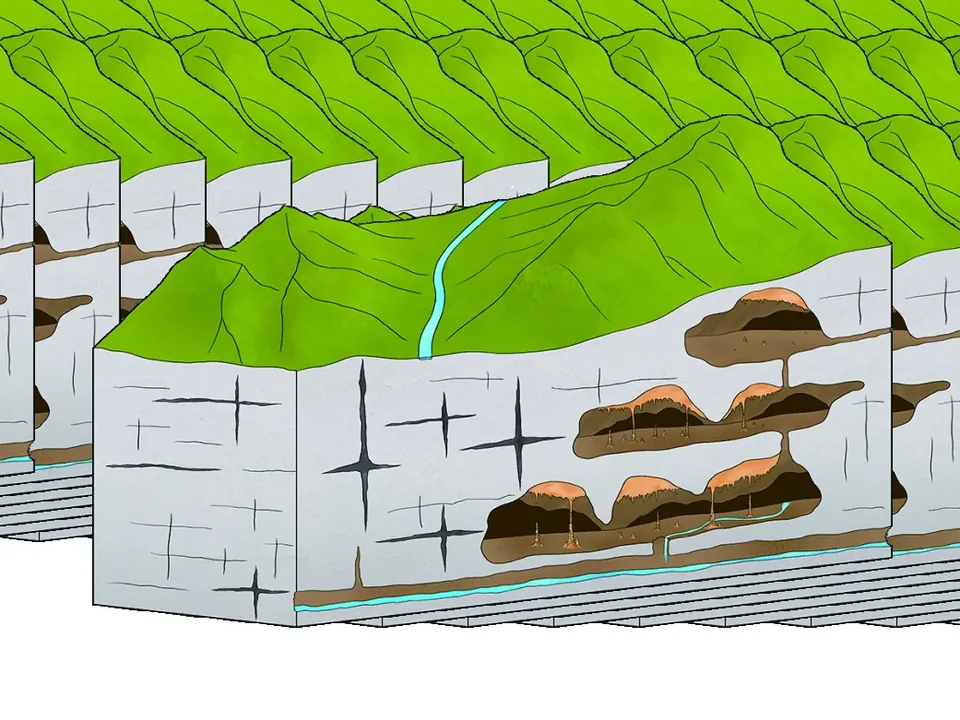
How did Huanglong Cave acquire its four storeys? As you follow the cave’s solution passages, the route sometimes climbs and sometimes descends steeply, opening into broad halls or narrowing into confined corridors. Careful observation reveals four approximate levels. Their formation can be understood through the following sequence.
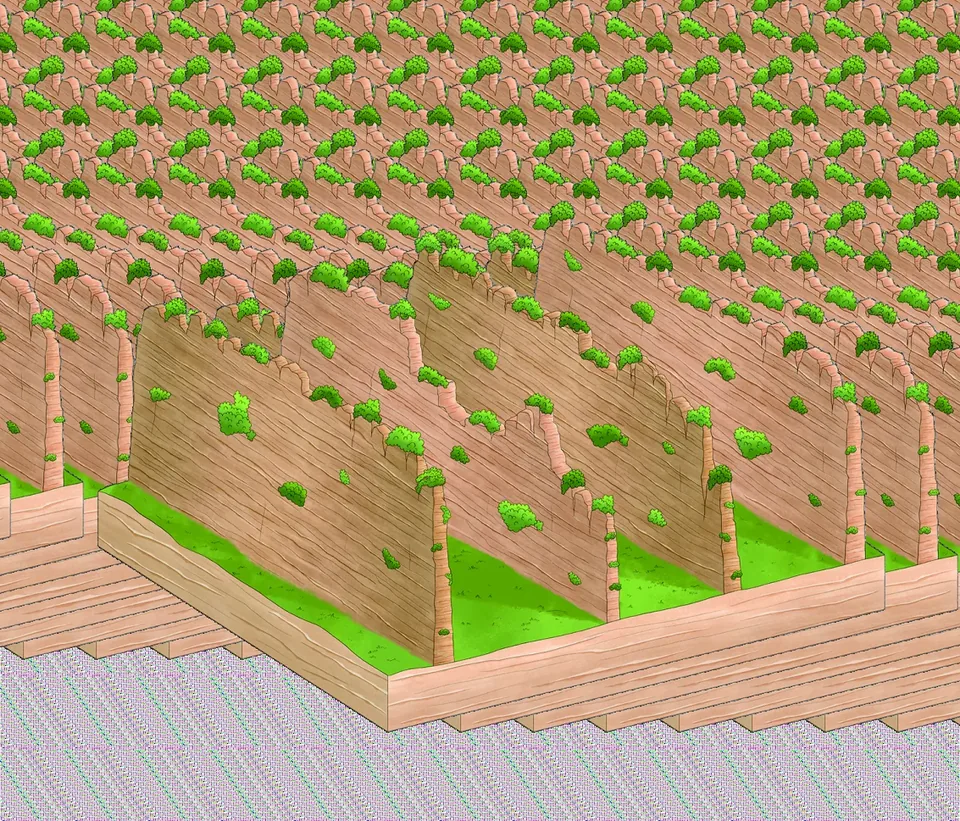
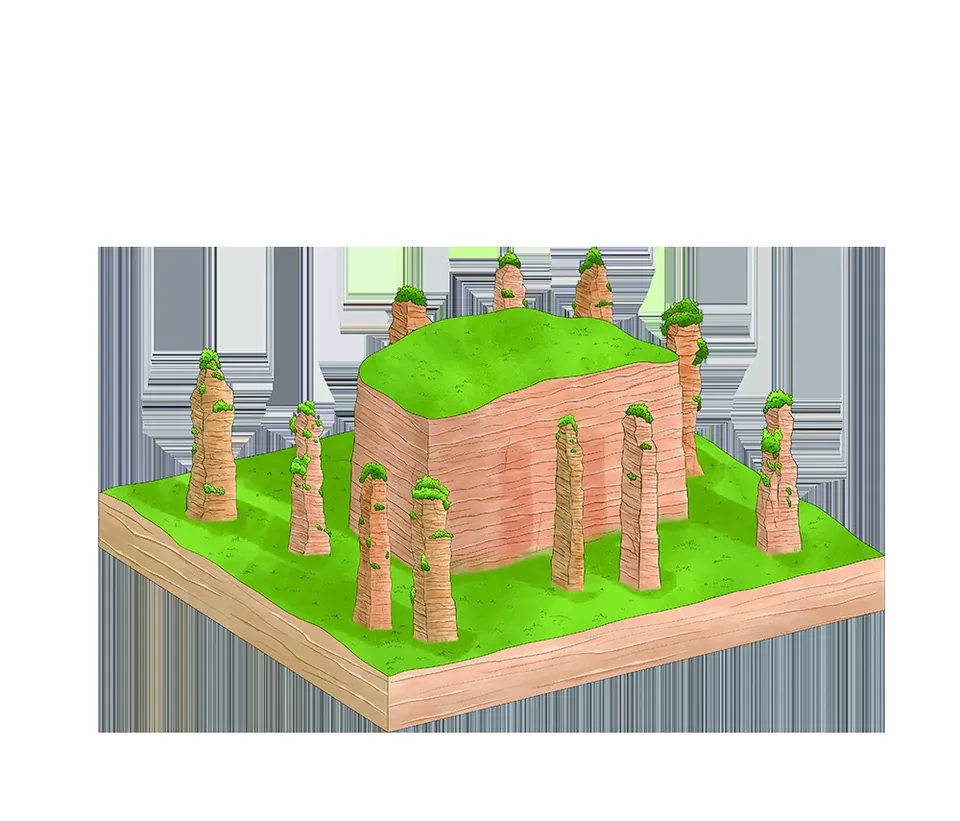
Stage 1: Around 250 million years ago, the Zhangjiajie region was a marine environment. Biological and chemical processes produced large quantities of limestone composed mainly of calcium carbonate, providing the material from which the cave would later develop.
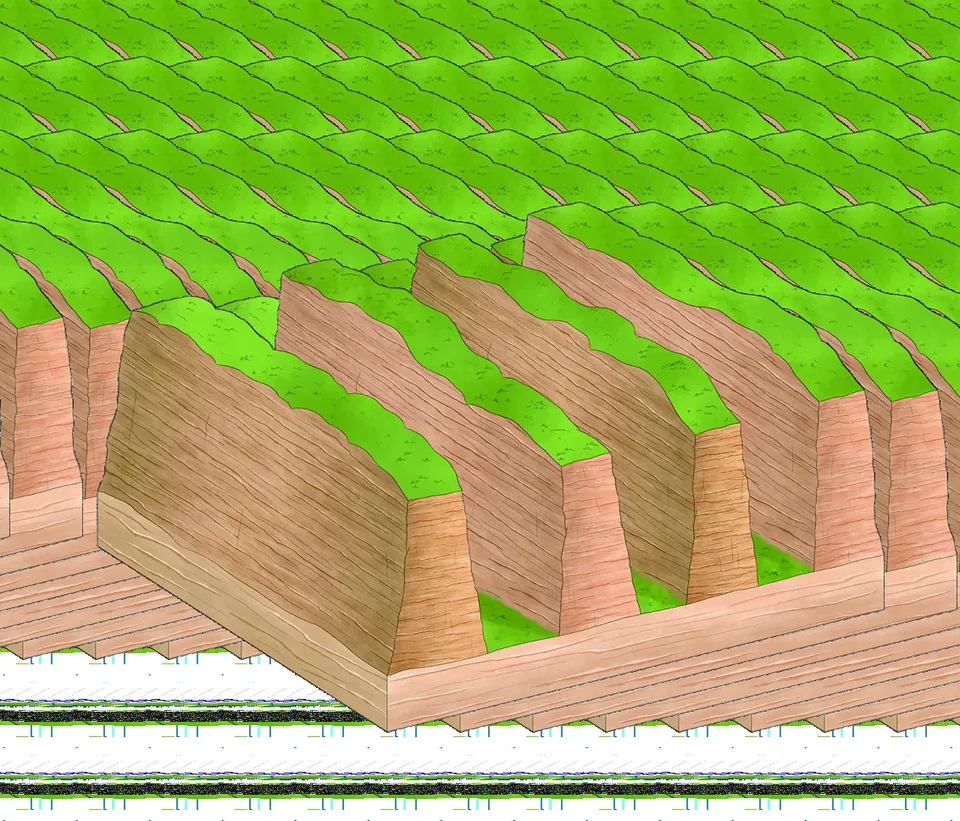
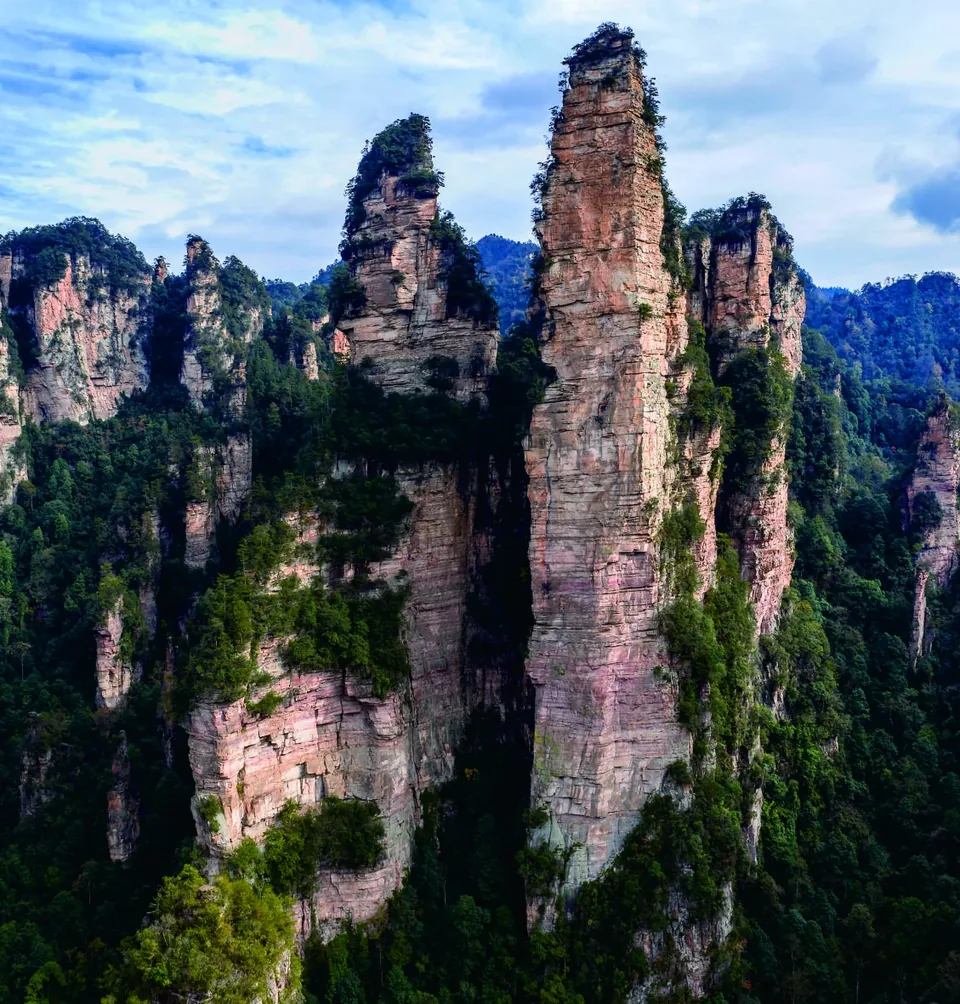
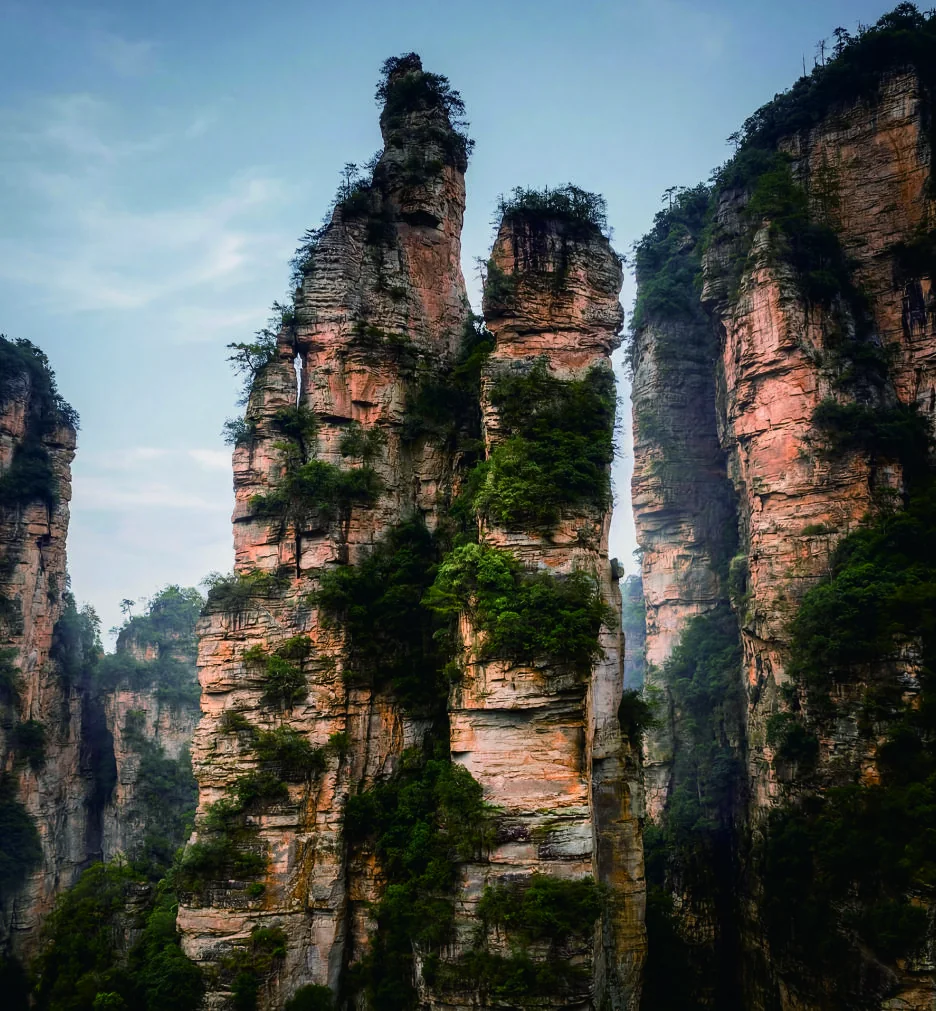
Stage 2: Over a long span of geological time, limestone that had been buried deep underground became exposed at the surface. Surface water began dissolving it, forming features such as solution grooves, rock pinnacles and sinkholes.
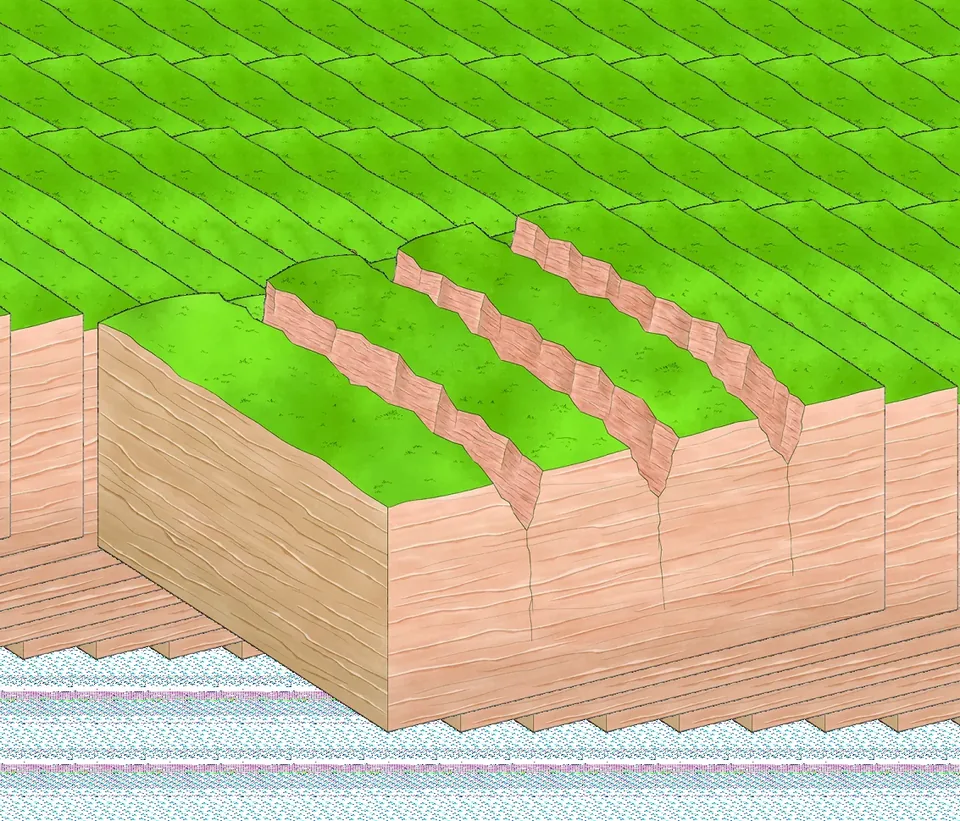
Stage 3: As the crust rose, water dissolved downward along limestone bedding planes, joints and fractures, forming underground drainage and cave systems. During periods of relative crustal stability, dissolution and gravity-driven collapse widened the spaces laterally into large halls and solution passages.
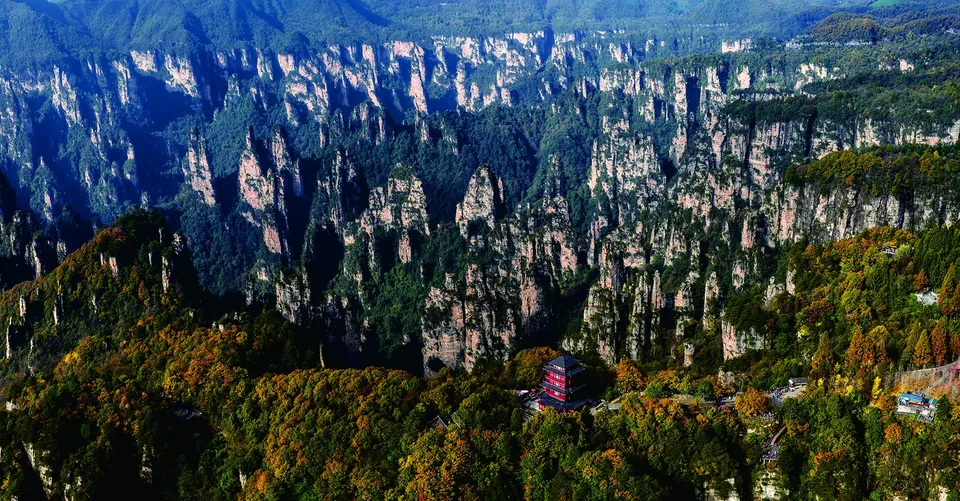
Stage 4: The crust subsequently rose several more times. After each uplift, groundwater began dissolving farther downward, developing deeper drainage and cave systems. Repetition of this process produced today’s four-level cave landscape, a silent witness to crustal uplift.